
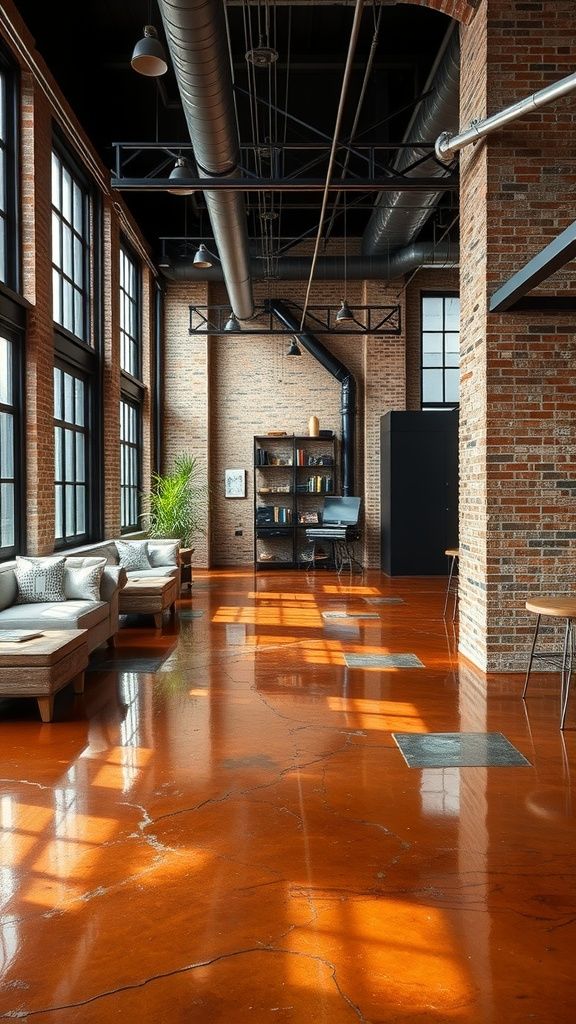
A floor in a warehouse, workshop, retail back room, or production area has to cope with far more than ordinary foot traffic. When businesses begin comparing industrial flooring cincinnati options, the most useful starting point is not color or gloss. It is the actual workload the concrete will face every day.
Concrete flooring projects for residential, commercial, and industrial properties can involve very different performance requirements. Matching the flooring system to the building is more useful than assuming that one finish will suit every type of space.
Begin With Traffic and Equipment
Different businesses place very different demands on their floors. A stockroom may see carts and shelving, while a workshop can add rolling toolboxes, machinery, dropped tools, oils, and more concentrated wear.
For some facilities, polished concrete cincinnati may be worth considering when the goal is a durable, low-maintenance finish that keeps the concrete itself as the finished surface. Other environments may benefit more from a coating system selected for the chemicals, traffic, appearance, or cleaning routine involved.
Check the Existing Concrete First
The condition of the slab influences what can be installed over it. Cracks, old coatings, adhesive residue, pitting, contamination, and uneven repairs should be identified before a new flooring system is chosen.
Surface preparation may include grinding, coating removal, cleaning, crack repair, or other corrective work. These steps are not simply cosmetic. They help create a more suitable surface for the flooring process that follows.
Decide What the Floor Needs to Resist
A busy commercial floor may encounter more than abrasion. Depending on the business, it could also be exposed to oils, road salt, cleaning products, moisture, or occasional chemical spills.
The expected exposure should be discussed with the flooring contractor. A surface that performs well in a dry showroom may not be the right choice for an automotive bay, food-service area, or active warehouse.
This is also the time to talk about traction. Areas that regularly become wet or dirty may need a different texture from spaces where easy sweeping and a smoother finish are the main priorities.
Think About Cleaning Before Installation
Maintenance becomes part of the operating routine once the project is complete. Businesses should consider how often the floor will be cleaned, what equipment will be used, and whether spills need to be addressed throughout the day.
Seamless coating systems can reduce joints where dirt can collect, while finished concrete surfaces can also be straightforward to maintain when cared for correctly. The right choice depends on the environment and the cleaning process already in place.
It is useful to ask the installer which products and methods are recommended. Using unsuitable cleaners can make maintenance harder and may affect certain finishes over time.
Consider Appearance in Customer-Facing Areas
Performance usually comes first in industrial and commercial settings, but appearance can still matter. Garages, retail spaces, service counters, studios, and showrooms may all be visible to customers.
Color flakes, solid finishes, metallic effects, and polished concrete can create very different visual results. A practical floor does not have to look unfinished or purely utilitarian.
The best design choice is one that supports the brand and space without creating unnecessary maintenance. Samples should be viewed with the room’s lighting, walls, fixtures, and equipment in mind.
Plan Around Downtime
Flooring work can temporarily take an area out of service. Preparation, application, curing, and return-to-use times should therefore be discussed before a start date is selected.
Businesses may need to relocate equipment, divide the project into sections, or schedule work around weekends and slower periods. Knowing the sequence in advance makes it easier to coordinate staff and operations.
Return-to-service times vary by flooring system and site conditions. The contractor should provide project-specific guidance rather than relying on a general estimate.
Look Beyond the Installation Day
A good commercial floor should make sense over years of use. That means considering how the space may change, whether heavier equipment could be added, and how easily the surface can be maintained or repaired.
Regular inspection can help identify isolated wear, impact damage, or joint issues before they spread. Keeping maintenance recommendations on file also gives employees a consistent approach to caring for the floor.
Conclusion
Choosing a commercial or industrial concrete floor becomes easier when the decision starts with the building’s real demands. Traffic, equipment, slab condition, chemical exposure, cleaning, appearance, and downtime should all influence the final system.
Cincinnati businesses considering professional concrete flooring solutions can explore available options through kingcustomcoatings.com. Matching the finish to actual operating conditions can create a surface that supports daily work while remaining easier to maintain.

