
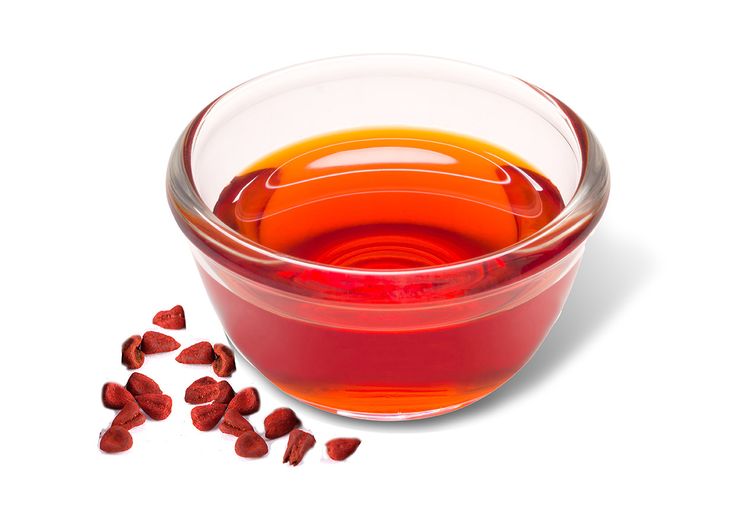
As more and more consumers seek clean-label options, food producers have turned to plant-based alternatives to artificial food dyes. Of the many natural colorings on the market, annatto food coloring has gained a good reputation for its ability to create warm orange and yellow colors in a diverse range of food products. Coming from the seed of the achiote tree, this natural ingredient offers a reliable natural orange food color that doesn’t detract from the appeal of the product. The knowledge of its characteristics will aid in the decision-making process of formulation and sourcing by businesses.
Understanding Annatto Color Source
The seeds of the tropical achiote plant have been used as a natural food coloring for a long time and are used to make annatto coloring. Its color is due to naturally occurring compounds that give a range of colors from soft yellow to deep orange, depending on the formulation and concentration.
As it is plant-based, Annatto is an appropriate ingredient for manufacturers creating products that highlight transparency in ingredients. Annatto is one of the most popular natural colorings in the world food industry, as people are interested in using natural ingredients.
Producing Orange And Yellow
An advantage of using annatto food coloring is that it can create attractive and consistent colors while being useful for numerous different types of food. The actual color produced depends on a number of different factors, including formulation, percentage of ingredients, processing conditions and the appearance of the final product desired.
Since Annatto is a natural orange food color, it is effective in foods where warm, rich colors have a desired effect. Color performance is a factor that has often been considered for product development so that it is consistent during production, storage and distribution.
Applying a careful test helps the manufacturer to decide the most appropriate application in the context of maintaining the appearance expected by the consumers.
Applications Across Food Industries
Thanks to its versatility, Annatto is used in many commercial food products. The dairy industry often uses it to impart a yellow or orange color to cheeses, butter, flavored milk and frozen desserts. Bakery manufacturers also use Annatto to color specialty products, fillings and toppings where uniform natural color is essential.
Snack producers use Annatto in their crackers, popcorn seasonings and coated snacks; sauce manufacturers use it to make their products look good without adding synthetic ingredients. Depending on processing demands, carefully formulated annatto solutions may be beneficial for beverage applications, too.
It is flexible enough to enable manufacturers to create products to satisfy functional and marketing goals.
Selecting Quality Suppliers
The quality of natural color ingredients and consistency of raw materials is critical to the ingredient performance. Whether choosing to buy or not, procurement teams must assess suppliers for their production methods, quality control measures, food safety certifications and technical knowledge.
Reliable suppliers are aware of the nature of the behavior of Annatto under various manufacturing processes and can suggest appropriate formulation groups for the different food categories. Technical support may be needed in the development of a product, which can aid in reducing formulation problems and enhancing production efficiency.
Stable ingredient availability is another advantage of having long-term supplier relationships, as it can help manufacturers ensure that they have a consistent supply of the ingredients they need to produce their products.
Supporting Clean Label Development
The food industry continues to be driven by consumer demand for familiar ingredients that drive innovations in products. Annatto food coloring is a naturally-sourced colour that helps to make products clean and free from artificial dyes. Additionally, manufacturers are seeing improved methods of extraction and formulation technology that are continually expanding the applications of the ingredient.
As companies opt for natural ingredient solutions, they are becoming more sensitive to colors that look good, work well and are available in good supply. Knowledge of the capabilities of ingredients enables food product developers to develop foods which meet both technical and evolving market expectations.
Conclusion
Annatto food coloring offers a reliable source of natural orange food coloring to manufacturers for use in a variety of commercial foods. Foodrgb.com is another great place to find information about natural food colors or product development, which is available for companies interested in exploring ingredient solutions. When you pick good annatto and team up with solid suppliers, your goods just look better and stay neat. Plus, it lets you try fresh, clean labels that keep your plant running strong day after day.

