
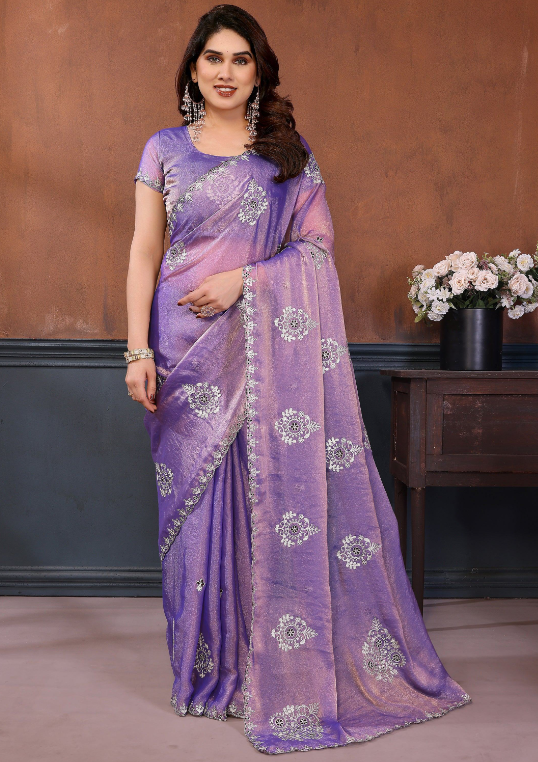
Fashion is often defined by a combination of design, color, and craftsmanship, but fabric and print play an equally important role in shaping how garments are perceived and worn. In saree fashion, these elements influence everything from comfort and movement to visual appeal and personal expression. As consumer preferences continue to evolve, lightweight fabrics and creative prints are becoming increasingly popular, reflecting a broader shift toward versatile and wearable fashion.
Among the many styles available today, the Chiffon Saree and Printed Saree have emerged as important examples of how fabric and design can work together to create contemporary fashion statements. Their growing popularity highlights the changing priorities of modern consumers, who seek clothing that combines elegance, practicality, and individuality.
Why Fabric Matters in Fashion
Fabric is one of the most important foundations of any garment. It influences how clothing feels, moves, and interacts with the wearer. In saree fashion, fabric choice often determines whether an outfit feels formal, casual, lightweight, or structured.
As lifestyles become increasingly fast-paced, consumers are paying closer attention to comfort and ease of wear. This shift has encouraged greater interest in fabrics that offer fluidity and practicality without sacrificing style.
The popularity of lightweight materials demonstrates how fashion is adapting to meet contemporary needs. Rather than focusing solely on appearance, consumers now value garments that support both comfort and visual appeal.
The Growing Appeal of Chiffon Sarees
The Chiffon Saree has maintained its popularity because of its lightweight texture and graceful drape. Unlike heavier fabrics that may feel more structured, chiffon creates a flowing silhouette that naturally complements modern fashion preferences.
Its versatility allows it to work across a variety of settings, from social gatherings to formal occasions. Designers frequently use chiffon as a canvas for different embellishments, patterns, and design elements, enabling the fabric to remain relevant despite changing trends.
Another reason for its enduring appeal is its adaptability. The fabric can support both minimalist aesthetics and more detailed designs, making it suitable for diverse style preferences.
This flexibility has helped chiffon remain an important part of contemporary saree fashion.
How Prints Have Transformed Saree Design
Prints have become one of the most effective ways for designers to introduce creativity into ethnic wear. They offer endless possibilities for visual storytelling, artistic expression, and innovation.
The popularity of the Printed Saree reflects a growing appreciation for individuality in fashion. Rather than relying solely on embellishments, many designers now use prints to create distinctive identities for their collections.
Modern prints often draw inspiration from:
- Nature and botanical themes
- Geometric patterns
- Abstract artwork
- Cultural motifs
- Contemporary design influences
These diverse approaches allow printed sarees to appeal to a wide range of consumers while continually refreshing traditional fashion.
The Relationship Between Fashion and Self-Expression
Consumers today increasingly view clothing as a reflection of their personality and preferences. This shift has encouraged demand for garments that feel unique and expressive rather than purely trend-driven.
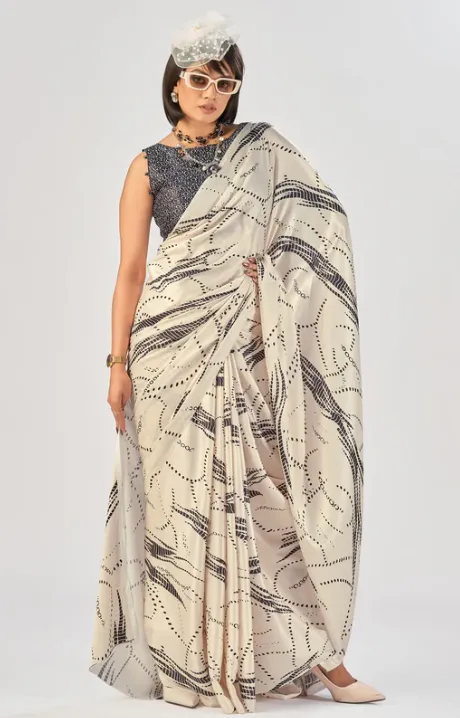
Printed sarees align closely with this movement because they offer opportunities for individuality through design. Different patterns can create dramatically different impressions, allowing consumers to select styles that resonate with their personal aesthetic.
Similarly, fabric choices contribute to self-expression by influencing how an outfit feels and moves. Together, fabric and print help create a more personalized fashion experience.
This emphasis on individuality continues to shape modern saree trends.
Balancing Style and Practicality
One of the defining characteristics of contemporary fashion is the desire to balance visual appeal with functionality. Consumers increasingly expect clothing to be both attractive and practical for regular wear.
The combination of lightweight fabrics and creative prints addresses this expectation effectively. Chiffon provides comfort and ease of movement, while prints add visual interest without necessarily increasing the complexity of a garment.
This balance explains why styles such as the Chiffon Saree and Printed Saree continue to gain popularity among modern consumers.
As fashion evolves, practicality is becoming just as important as aesthetics.
How Designers Continue to Innovate
Innovation in saree fashion is not limited to silhouettes or embellishments. Fabric development and print design remain major areas of creativity within the industry.
Designers continually explore new techniques, patterns, and combinations that help traditional garments remain relevant to contemporary audiences. Through experimentation with materials and visual elements, they create collections that appeal to changing consumer preferences while respecting the cultural significance of the saree.
This ongoing innovation ensures that saree fashion remains dynamic and adaptable.
Final Thoughts
The enduring popularity of the Chiffon Saree and Printed Saree demonstrates the important role fabric and print play in modern fashion. As consumers increasingly seek clothing that combines comfort, versatility, and personal expression, these styles continue to offer valuable solutions.
By blending lightweight construction with creative design, chiffon and printed sarees reflect the evolving priorities of contemporary fashion. Their success highlights how innovation can emerge not only through dramatic changes in silhouette but also through thoughtful use of fabric and artistic expression.

