

On the production floor, Poultry packaging machines are judged by how they behave after hours of nonstop use. Small pauses add up quickly during a long shift. Operators notice if trays slide unevenly or if seals cool too slowly. These details affect output more than headline speed numbers. Plants that process mixed sizes rely on equipment that tolerates variation without alarms firing constantly. Reliability shows itself quietly, not during sales demos.
Packaging film choices affect everything downstream
Film thickness, permeability, and shrink behavior matter more than many teams expect. Meat packaging solutions often succeed or fail based on film compatibility with sealing jaws. Moisture levels change sealing pressure requirements during the day. When film is hard to source locally, delays follow. Flexible machines allow adjustments without full recalibration. That flexibility becomes useful when suppliers change or costs fluctuate unexpectedly.
Cleaning routines shape equipment preference
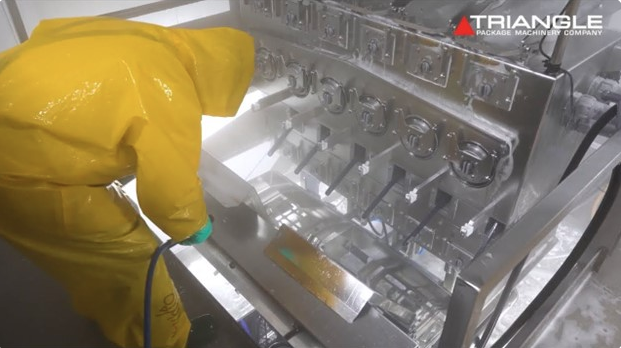
Sanitation crews influence buying decisions more than procurement sometimes admits. Poultry packaging machines with exposed corners or tight cavities slow down cleaning schedules. Smooth welds and open frames reduce labor time every night. Water resistance matters, but placement of controls matters more. Meat packaging solutions that handle washdown without sensor failures reduce tension between maintenance and operations teams. These small design choices protect uptime week after week.
Automation levels need honesty
Not every plant needs full automation, despite the marketing noise. Meat packaging solutions perform best when matched to staffing reality and skill levels. Semi-automated systems allow human checks without slowing lines too much. With Poultry packaging machines, simple control panels reduce training time and mistakes. When systems become too complex, troubleshooting drags on, and frustration spreads quickly across shifts.
Space and layout always get tight
Drawings never reflect how cramped floors feel later. Poultry packaging machines should leave room for service access and material flow. Power requirements change with compressors and sealing technology. Meat packaging solutions must align with upstream cutting and downstream labeling. Misalignment creates backups that ripple through the line. Planning for real movement patterns saves headaches months after installation.
Costs hide in routine use
Initial pricing rarely tells the full story. Replacement parts, technician visits, and training shape real expenses. Meat packaging solutions using standardized components simplify sourcing later. Poultry packaging machines designed for modular upgrades age more gracefully. These factors influence long-term stability more than discounts during negotiation meetings.
Conclusion
Selecting packaging equipment requires patience and realistic expectations. Teams benefit from observing machines during regular operations, not just controlled demonstrations. Focus on daily handling, cleaning time, and adjustment ease. Involve operators early, since they interact with systems constantly. Review how Poultry packaging machines integrate with existing workflows and how meat packaging solutions adapt to future product changes. Practical evaluation leads to steadier operations and fewer surprises. Consult with experienced equipment specialists to assess your facility needs and make informed investment decisions.

